
Foot and Mouth Disease (FMD) in South Africa – 2026
Foot and Mouth Disease (FMD) is one of the most contagious and economically destructive livestock diseases in the world. It affects all cloven-hoofed animals, including cattle, pigs, sheep, goats, and wildlife such as buffalo.
In 2026, South Africa is facing a critical FMD outbreak, with multiple provinces affected. This has triggered strict movement controls and a government-led vaccination programme. Farmers, veterinarians, and animal handlers must take immediate action to reduce further spread.
What Is Foot and Mouth Disease?
Foot and Mouth Disease is caused by a highly resilient virus that spreads rapidly between animals. Although adult animals often survive, the disease causes severe pain, lameness, production collapse, and high mortality in young animals.
Even one confirmed case can result in a severe financial loss for farmers.
Foot and Mouth Disease Symptoms by Species
Cattle
- High fever
- Excessive drooling and lip smacking
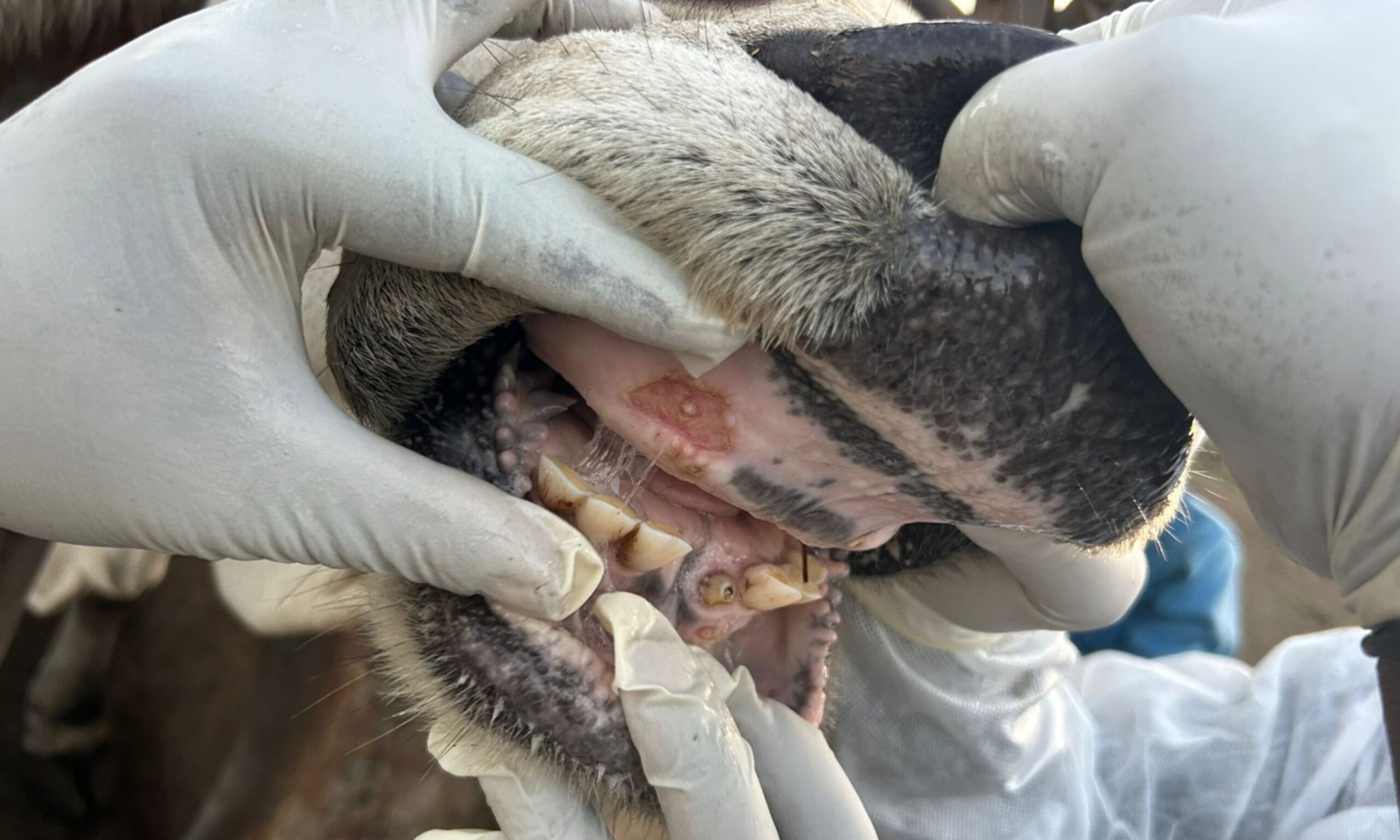
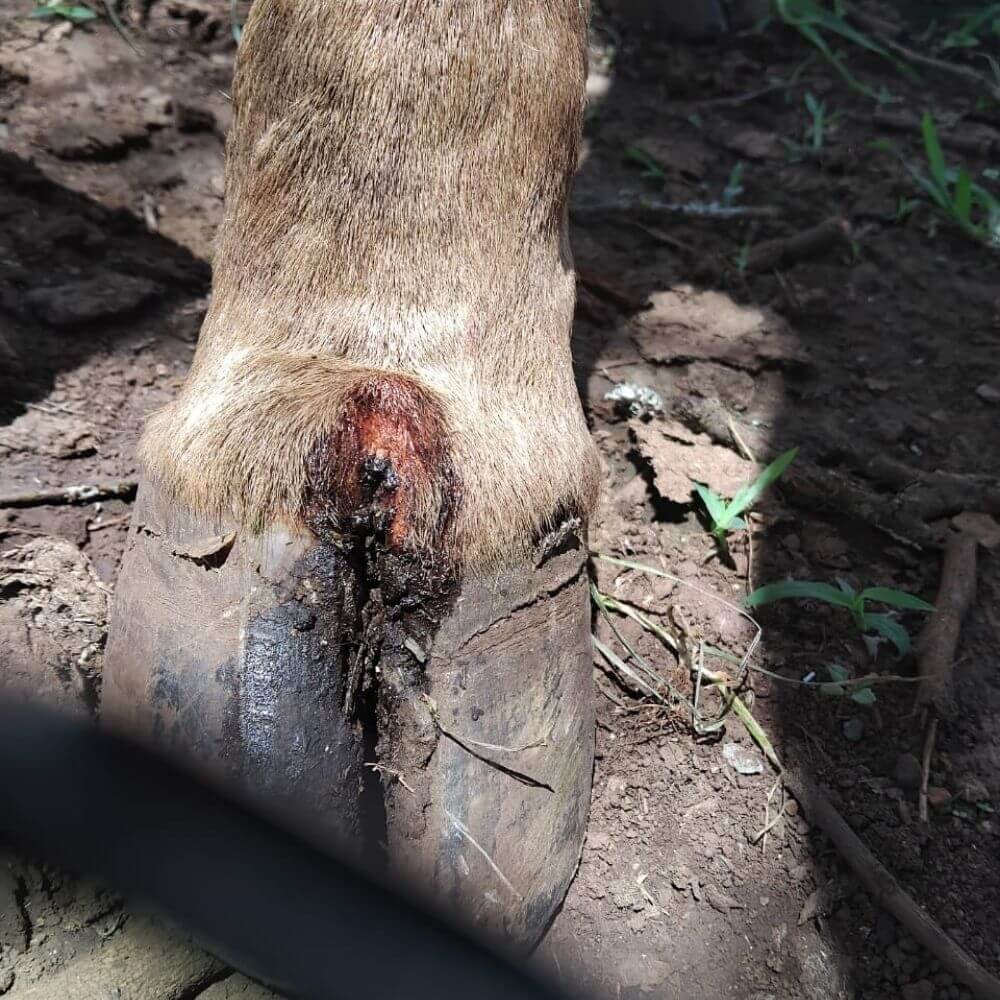
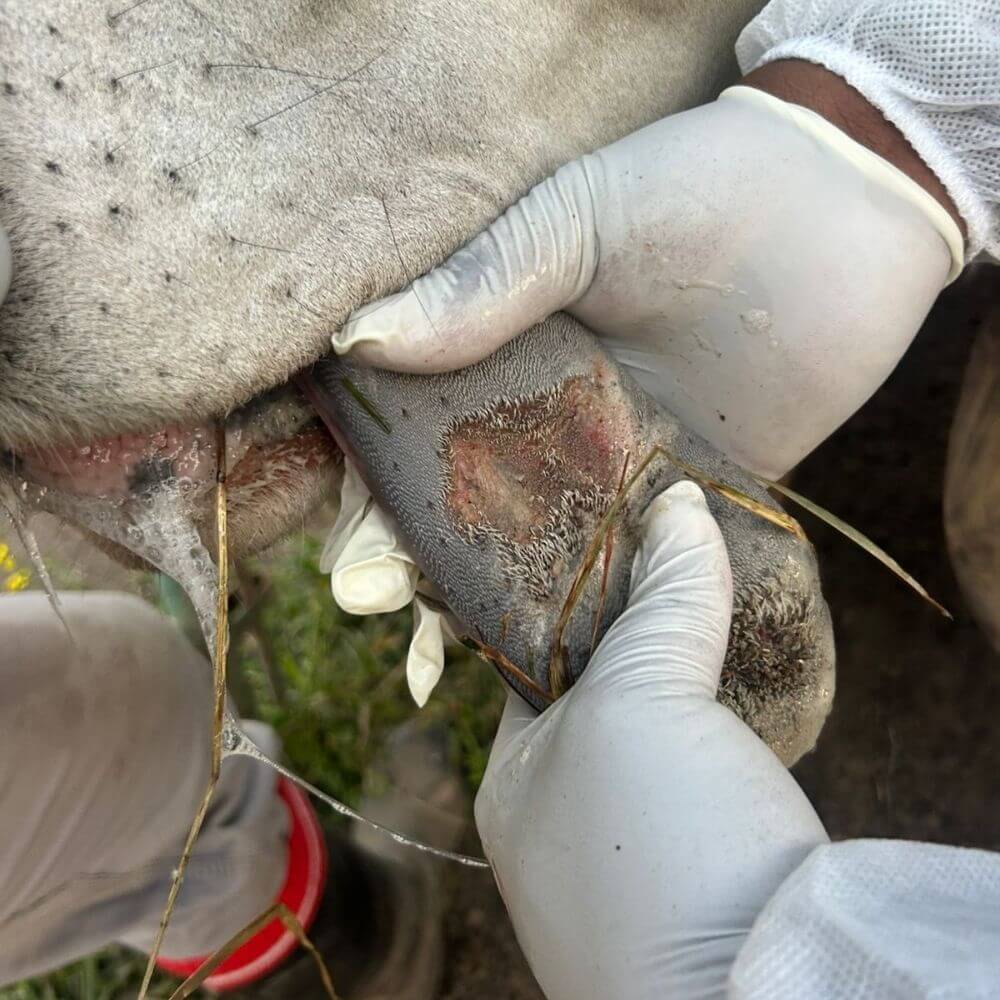
- Blisters on the tongue, gums, dental pad, and feet
- Sudden drop in milk production
- Decrease in general condition
Pigs
- Severe lameness and reluctance to move
- Squealing when forced to walk
- Large blisters on the snout and feet
- Decrease in general condition
Pigs are major virus amplifiers.
Sheep and Goats
- Mild or no visible signs
- Slight lameness or sore feet
Small stock often act as silent carriers, spreading the virus without obvious symptoms.
Young Animals
- High mortality in calves, lambs, and piglets
- Sudden death from heart failure (myocarditis)
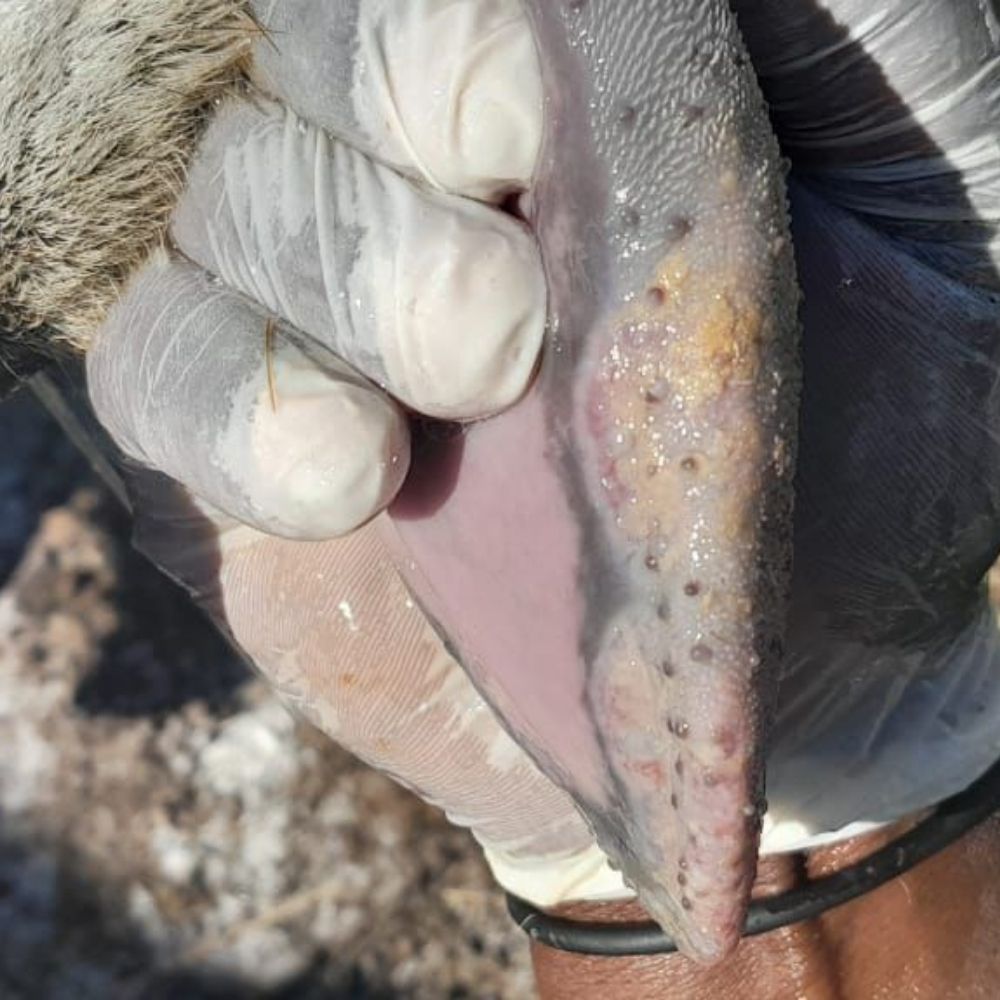
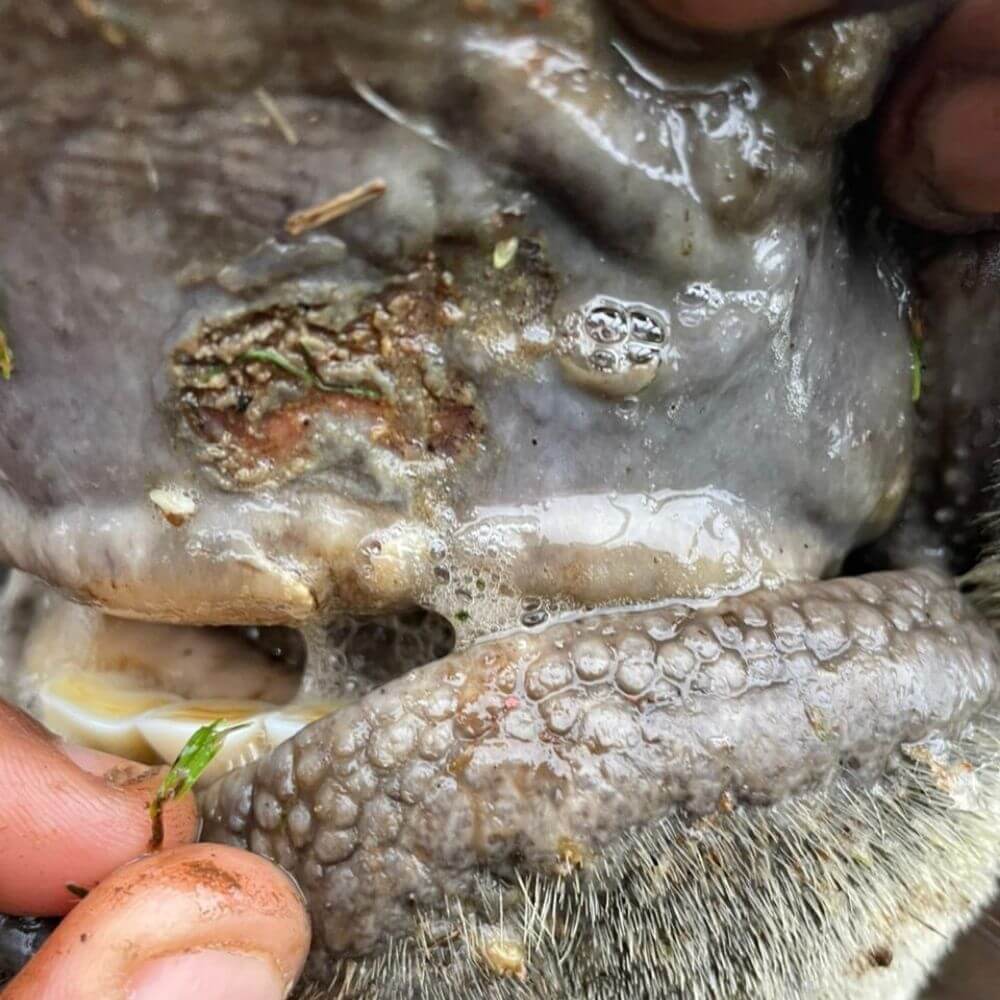
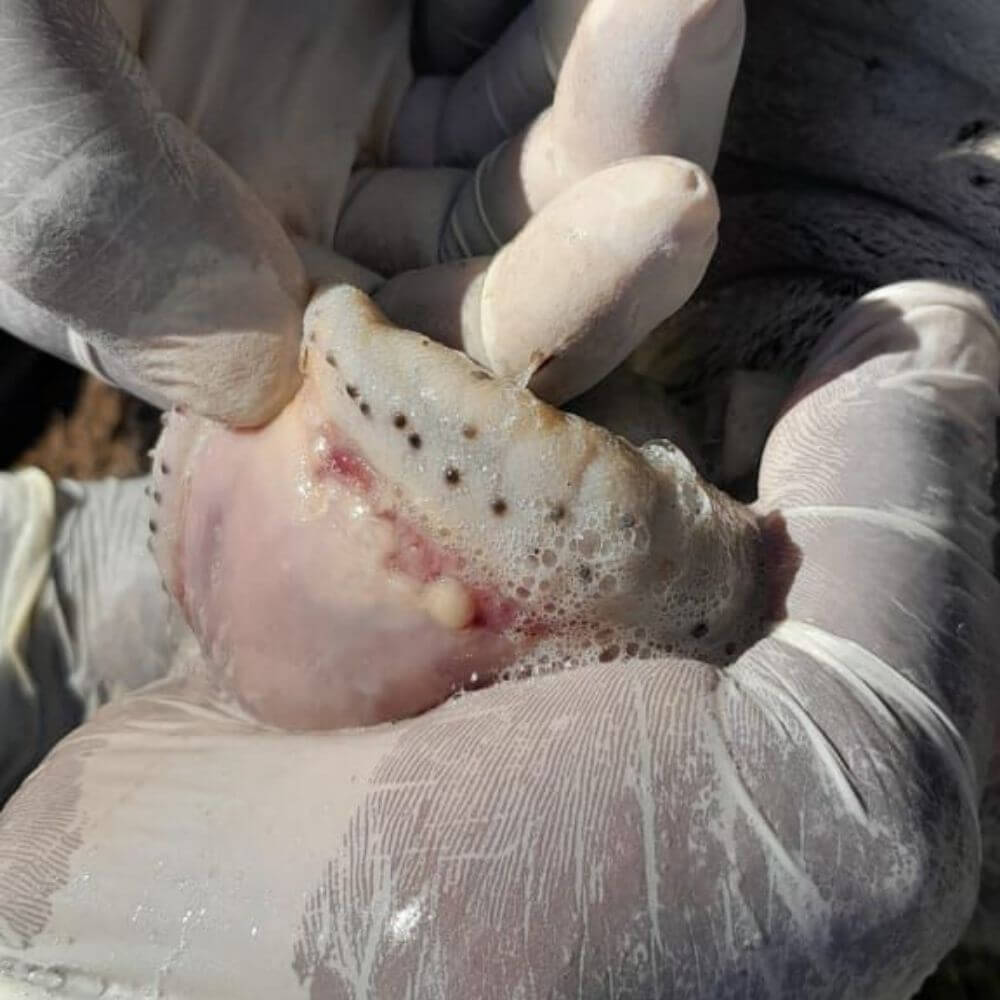
How Foot and Mouth Disease Spreads
The FMD virus can survive for weeks in soil, manure, and on equipment, especially in cool conditions.
Main Routes of Transmission
- Direct contact with saliva, nasal discharge, milk, or faeces
- Airborne spread
- Indirect spread via vehicle tyres, boots, clothing, equipment, animals, and humans
Vehicle movement and informal livestock trading are key drivers of ongoing outbreaks in South Africa.
FMD Prevention and Biosecurity Measures
There is no cure for Foot and Mouth Disease, as it is a viral infection. Control relies entirely on prevention.
Supportive treatment for affected animals
We highly recommend giving animals affected with FMD supportive treatment, especially pain control.
- Pain Control: Anti-inflammatory medication like meloxicam (Inflacam/Metacam)
- Antibiotics: Penicillin (Duplocillin) OR tetracyclines. DO NOT USE PENICILLIN AND TETRACYCLINE TOGETHER, AS THEY COUNTERACT ONE ANOTHER AND BECOME INEFFECTIVE. Antibiotics are given to decrease incidences of secondary infections, they do not have an affect on the virus itself.
- Vitamin boosters: Products like Kyroligo or Vitamin B Complex are very beneficial to support animals that are losing condition.
Movement Control
- Never move cloven-hoofed animals without a valid permit
- Avoid informal auctions and unverified livestock sources
- Obey quarantine zone regulations
The virus is moving rapidly through communal grazing areas and informal livestock sales. Do not buy animals without a valid veterinary health declaration and movement permit.
Quarantine
- Isolate all new animals for 30 days, even if they appear healthy
Vaccination
- FMD is a State-Controlled Disease
- Vaccines are currently administered under government authority only
Economic and Human Impact of FMD
Economic Impact
- Export bans or stricter control can occur
- Major financial losses to the meat and dairy industries
- Small-scale and emerging farmers are often the hardest hit due to cost of treatment and inability to access appropriate supportive treatment
- Feedlots and large dairy farms suffer major losses
Human Health
- FMD is NOT Hand, Foot and Mouth Disease in children
- It does not infect humans
- Meat and milk are usually destroyed to prevent further spread
Correct Disinfection for Foot and Mouth Disease
The FMD virus is non-enveloped and requires specific acidic or alkaline disinfectants to be destroyed.
Recommended Disinfectants (South Africa – 2026)
- F10 CL – boots, equipment, vehicle tyres, clothing, hands, sensitive equipment, concrete floors and yards
- Afrivet A.C.T. – boots, equipment, vehicle tyres, clothing, hands, sensitive equipment, concrete floors and yards
- Virkon S (1%) – boots, equipment, vehicle tyres
- Citric Acid (3%) – clothing, hands, sensitive equipment
- Household Bleach (0.3%) – clean surfaces only
- Vinegar (2%) – emergency use only, not as effective
Never mix acids and alkalis. This neutralises their effectiveness.
The 3-Step FMD Disinfection Protocol
- Dry Clean – Remove all mud and manure
- Wash – Use detergent or pressure washing
- Disinfect – Allow at least 10 minutes contact time
Dirty surfaces protect the virus and render disinfectants ineffective.
Practical Biosecurity Tips for Farmers
- Install footbaths at all entry points
- Change disinfectant daily or when contaminated
- Spray vehicle tyres and undercarriages before entry and upon exit to your farm
- Verify permits and isolate new livestock for 30 days